
I don’t think the problem in the fitness industry is awareness or knowledge anymore. After all there is more fitness information and knowledge out there on social media, podcasts, in books and online than there ever has been.
I don’t know anyone who doesn’t know that exercise is good for them. And most of the people who don’t get enough exercise know the benefits. They know that their life would improve if they exercised regularly. They would be at lower risk of early death, less likely to suffer with heart disease, strokes and even cancer. Sleep, energy and mood would all be improved.
So, knowledge really isn’t the problem.
And if knowledge isn’t the problem, why are almost 20 million people in the UK and over half of the adult population in the USA not getting the recommended amounts of exercise?
The traditional fitness industry is a huge reason for this problem. It makes so many assumptions and creates so many barriers. And this isn’t done on purpose. It’s done because the traditional fitness industry only really services a small part of the population. And even though it does that exceptionally well, it ends up creating a huge problem for the rest of the population.
There are thousands of gyms, personal trainers and fitness businesses that are exceptional. They have incredible equipment, state of the art facilities, talented and well qualified people within their businesses.
And this is ideal for those people who are confident, knowledgeable, highly disciplined and motivated.
Those people just need access. They need a code that lets them in and they lock in and away they go.
For confident exercisers, the challenges and questions around fitness are often practical and logistical.
“When is the gym open?”
“What programme should I follow?”
“How much protein do I need?”
Many of them already believe they can succeed before they set foot in the gym. They believe that exercise is for them and have a level of confidence that they can do this.
For reluctant exercisers (and there are tens of millions of these in the UK alone), their questions, fears and challenges are way more emotional than that.
They are worried that they will look stupid, that they will feel or be embarrassed. There is a huge lack of emotional security for them. They often have multiple failed attempts in their past. They’ve suffered from a lack of support and this has damaged their confidence and made the fitness industry feel like someone else’s world that they will never fit into to. And really this leaves them feeling ashamed and thinking that they are the problem.
This problem is then multiplied because the fitness industry just throws more of the things that don’t work at them. More 24 hour big box gyms are opened, more summer shred plans are created, more go hard or go home guilt messaging is rammed down people’s throat. The transformation promises, the influencer created home work workouts and the new equipment put into gyms and studios.
All these things just serve to make the reluctant and missed exercisers feel even more guilt, shame and hopelessness.
The people I’m thinking about when I describe reluctant, missed or even forgotten exercisers are those people who used to be fitter, more active and healthier than they are now.
The kind of people who used to run around outside with their mates as a child. Or the person who played sports at school and then carried on into early adulthood. Maybe even those people who were going to fitness classes or running in their early 20’s.
But, and this goes for most people, life then gets in the way.
Real jobs, that demand longer hours and commuting. Children and families that become the priority. The stresses and strains of adult life that slowly grind us down. The things that make sleep worse, stress higher, and life busier.
Adult life becomes about juggling school drop offs, demanding work schedules, getting dinners and packed lunches ready, looking after elderly parents, getting the big shop done, doctors appointments, holiday clubs and all the other things that drain time and energy.
Eventually, they really don’t feel like themselves any more.
Whether that’s tighter clothes, excess weight, mental health challenges, getting out of breath going up the stairs or all of those things together.
Feeling like this, especially when a good few years has passed since they last felt fit and healthy, can create a fear that maybe this is how life will always be and like they have left it too late.
Many people are actually embarrassed that they have “let themselves go” and that they have failed at all the half attempts they have made to get started again. With the diets, the budget big box gym memberships, the home workouts on Youtube, the treadmill they bought that is now an expensive clothes drier. You know. all the things that the fitness industry offers and serves up for people that don’t really help.
And that can be really horrible for people. And it probably kills more dreams and attempts and getting the ‘old me’ back than anything else.
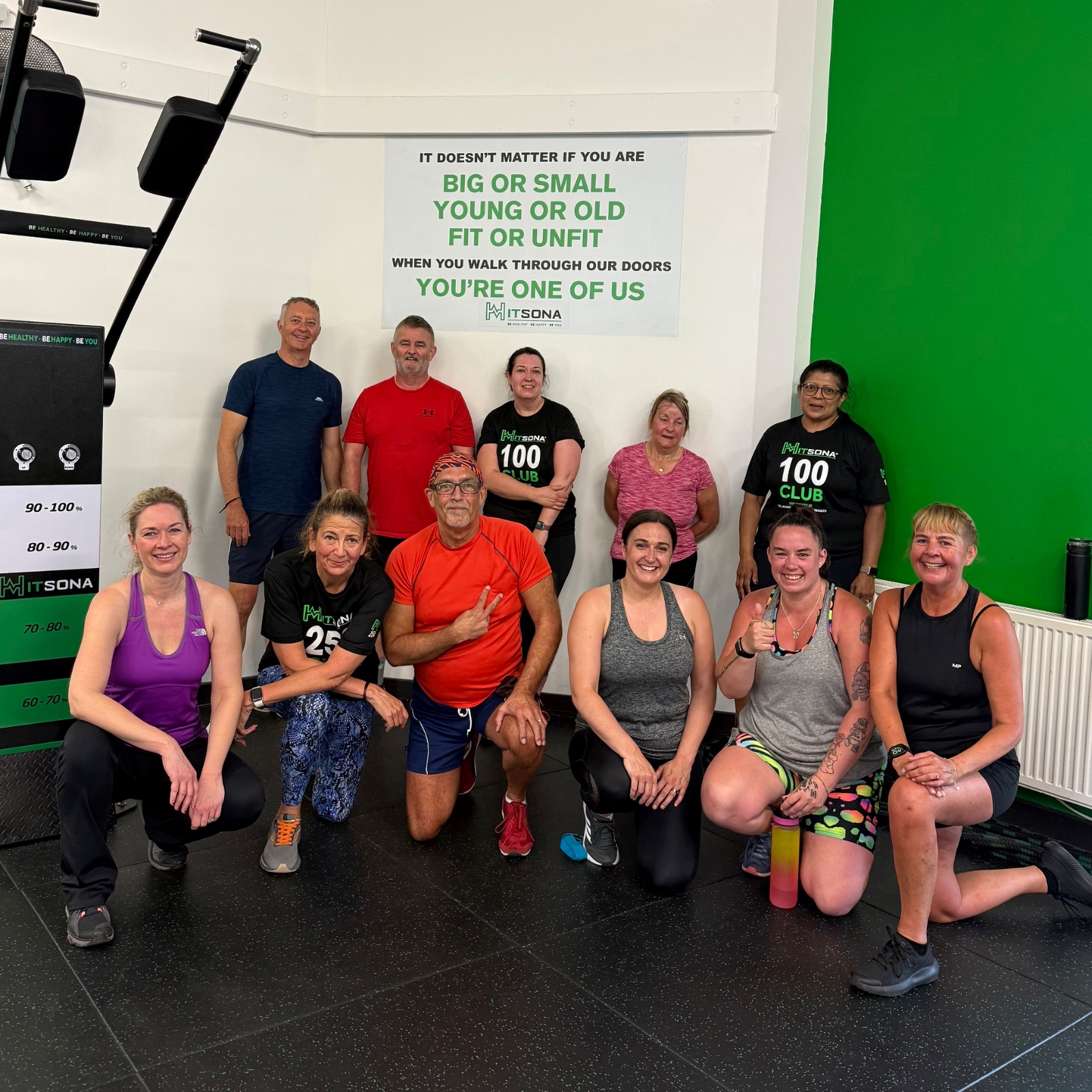
In my 11 years of owning and running my Hitsona studio in Telford, I’ve spoken to over a thousand local people and I regularly hear that many almost give up on themselves because they don’t see a suitable solution and way to tackle their issues around health and fitness, both physical and mental.
The people I’m speaking to (and many of our Hitsona studio owners in the UK, Ireland and the USA are hearing the same things) aren’t talking about things like macros, or which training split they should use. They aren’t asking about the best protein powder or whether we have a specific leg press machine in our studio.
Their main challenges and frustrations are deeper and more emotion driven than that. They are talking about joining countless gyms and never going, or not knowing what they are doing when they do pluck up the courage to try. They are searching for support, accountability and trying to avoid feeling embarrassed or the fear of being judged.
And when we dig into their goals and their aspirations, I hear things like “I want to feel like myself again”, not that they want a six pack. People tell me that they want to be able to run around with their children or their grandchildren, not that they want to do a PB in a Hyrox or a marathon. And when they want accountability and someone to push them, they aren’t saying they want to be beasted and battered military bootcamp style, they’re talking about being seen, cared for and not being allowed to disappear and stop.
Their fitness goals are actually life goals. And the barriers and frustrations are borne out of real life problems such as the menopause, crazy work hours or the stress of raising their children. And they miss the version of themselves that existed before these things and they want to get back to their ‘old self’.
Traditional fitness marketing and the mainstream fitness industry doesn’t really talk to these problems and these people.
A 6 week summer shred means nothing to a sedentary, overweight 50 year old man who is feeling the pressure of a job that has become all consuming and having beers every night before bed to relax himself.
A woman in perimenopause is likely focused on balancing her hormones and getting a restorative nights sleep, a woman during the menopause might be worried about doing up their bra unassisted thanks to frozen shoulder, and someone who is post menopause probably wants to focus on their bone density and fending off osteoporosis. Do we think any these women want to be sold another ‘get bikini ready’ programme?
When people are seeing adverts with shredded athletes, jacked youngsters and people they just cannot relate to anymore, it drives their internal narrative even more. “I won’t fit in there”, “That’s not for me”, “They don’t get me” and “That won’t work for me and my life.”
That’s why I speak to so many people who feel almost helpless to get a handle on their physical and mental wellbeing. When they are hit by this messaging everywhere they turn, all of the feelings of shame, guilt, embarrassment and hopelessness rise to the surface and make success even less likely.
I was very recently speaking to a member of my Hitsona studio. He has had a long standing hip injury and condition, which he knew would lead to a hip replacement being needed. He spoke to me in depth about how much his life has shrunk as the condition has progressed, and how much of a profound impact that was having on his physical health and fitness and his emotional wellbeing.
So many things were being affected. On a surface level, he was putting on weight and he was getting less and less confident is what his body could do, both from the original injury, but also from the side effects of not exercising regularly at all. And behind this, his mood, his emotions, his relationships, his productivity, his job were all being affected negatively.
His life was shrinking. He was making all his decisions based on what his body could cope with. It was easier to say no to lots of things.
Fast forward 18 months to today. This guy is now fitter, lighter, and has had his hip replacement. His smile and bounce is back. He is on holiday and swimming, walking and living the life he wanted. His world has expanded. He said this to me about it today:
“I did not realise how much of myself I had quietly lost until I started coming back. The pain took more than my movement. It took my confidence, my joy, my freedom, and parts of me I thought I might never find again. There were days when I felt like life was happening around me, not with me in it. Getting stronger again has given me more than my body back. It has given me my life back, and most importantly, it has given me, me back.”
And its not just when people have a chronic injury and pain problem like this person did. When someone starts to lose a little bit of trust in their body, when they start to doubt themselves a little bit it can start to show with small things, like avoiding photos, stairs, long walks with the family and that kind of thing. But eventually that turns into a chronic crisis in confidence and affects holidays, socialising, intimacy, days out, and playing with their children. It then runs deeper and darker as they start to doubt their future and see life very differently.
That’s why regular exercise and looking after health and fitness runs so much deeper than 24 hour access to equipment.
When the fitness industry responds to inactivity, obesity, fear of failure and people lacking belief in themselves with more intensity, more guilt, newer equipment, more transformation pictures and motivation slogans about “wanting it enough”, they will push away the people who are struggling with those things.
The industry often responds to inactivity with more intensity, more guilt, more transformation promises, more “want it more” messaging, more access, more equipment, more workouts.
A huge number of people need a safe and sensible way back into fitness and health. Fitness marketing often talks to people as if they need a kick up the bum, and to just get on with it. And that misses a big group of people, even if it does work on a handful of already converted people.
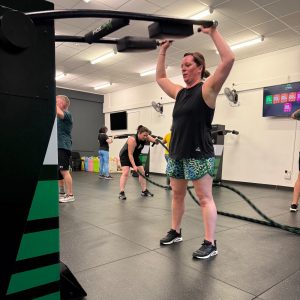
I have a long held belief that in order for someone to become consistent with something, for it to become a lifelong habit, they need to enjoy it. It becomes almost impossible to stick to something if willpower and motivation are required every single day.
Enjoyment is the answer to a lack of motivation.
For example, no one ever needs motivate me to go and play football every Saturday. I enjoy it and so I actively look forward to it. And this goes right back to my childhood, when movement, exercise and ‘fitness’ was all linked to play. To playing and doing things I enjoyed.
On the other hand, for me to go for a run, or to lift weights, it requires maximum motivation. I have to drag myself to do it. So guess what I very rarely do. Go for a run, or lift weights!
And I actually think that before enjoyment of exercise, comes emotional safety.
We can’t expect people who haven’t exercised for years and have been suffering from low confidence, sore joints, and feeling embarrassed because of how they look to immediately start enjoying exercise.
But if we can help people feel safe enough to look imperfect, safe enough to not know what they’re doing, safe enough to get a sweat on and get out of breath, safe enough to miss a couple of sessions and come back without feeling guilty, then we can help them start to enjoy exercise and stick with it.
And this starts with the language in adverts, the narrative on social media, the way we talk with them when they do make an (often nervous) enquiry.
Enjoyment really matters, because it gives us something back emotionally. I’ve seen countless people begin to enjoy exercise, and get the feelings of pride, happiness and even joy from their exercise sessions. So much so that it can start to become part of their identity and that’s actually where the real adherence and consistency comes from.
And this where fun comes in. Again, going back to our childhood. Think of the memories of when we were physically active. Running around with our mates, riding our bikes together, kicking a football round or even just playing tag. How much fun and laughter happened during those times. I’m sure you’re reading that bit with a smile on your face as those memories surface for you.
And fun whilst exercising is a cornerstone of adherence.
Don’t for one second think I’m saying that exercise can’t be hard, and that it can’t challenge people. That’s key. But it can be challenging, tough, hard work and still make people smile, laugh and have fun.
When laughter, smiles and fun replace punishment, guilt and beastings…. That’s magical for people who have spent years and years avoiding exercise.
Now let’s build on that idea of fun and enjoyment. How is that taken to the next level?
Because there’s something that is growing in the fitness industry at the moment. It’s become a buzzword that every gym, exercise class and facility likes to use.
Community.
It’s a word that is being used to soften the message I have talked about earlier. The realisation that equipment, access, complex programmes and go hard or go home narrative is frightening people off, means that everyone is jumping on the ‘join our community’ bandwagon.
Unfortunately for a lot of places and a lot of people, community isn’t just a word. Its not a marketing term. It has to mean something.
It requires more than just a gathering of people who happen to be doing the same thing.
Community is based on behaviour.
It’s about knowing the people in your community. Greeting them by name, noticing when they are a little bit quieter than normal, checking in on people however well they are doing in sessions.
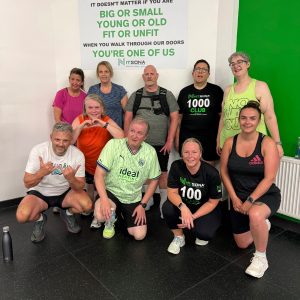
It’s members, staff and owners laughing together, feeling like they belong as equals. This comes from focusing hard on fit, when recruiting new members.
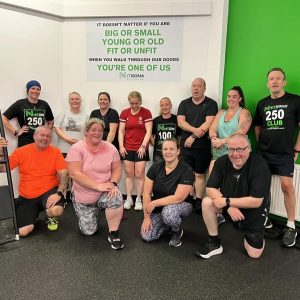
Community is actually built in the little moments where people feel seen and understood.
Most things in life are best when they are shared. And movement and exercise are no different.
All of this is the thinking behind what we have built and are continuing to grow at Hitsona.
It makes exercise, health and fitness simpler.
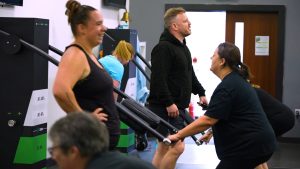 25 minute sessions because life is busy for most people.
Coach led to stop the guesswork and fear around doing the wrong thing.
Filled with fun and humour so that people can relax, enjoy themselves and want to come back.
Carefully built community that helps people feel part of something and consistency becomes easier.
Messaging and marketing that speaks to people who need emotional security, not just the practical things around starting a new foray into the fitness world.
But really importantly, backing up those words, with how people are actually treated and how they actually feel when they step into our studios.
Because the bottom line is, that I genuinely believe exercise is medicine. But for far too many the normal fitness world has made the medicine feel horrible to take.
The opportunity now is to build places where people feel safe enough to get started, supported enough to continue, and proud enough to keep going. That’s where I think fitness has to go. More enjoyable, more real and more approachable.